 Denver Storm Roofing
 Class 4 Impact-Resistant Shingles in Denver, CO
Last updated: September 2026
Price ranges are compiled from national cost data and published local pricing, September 2026 — methodology on the cost page.
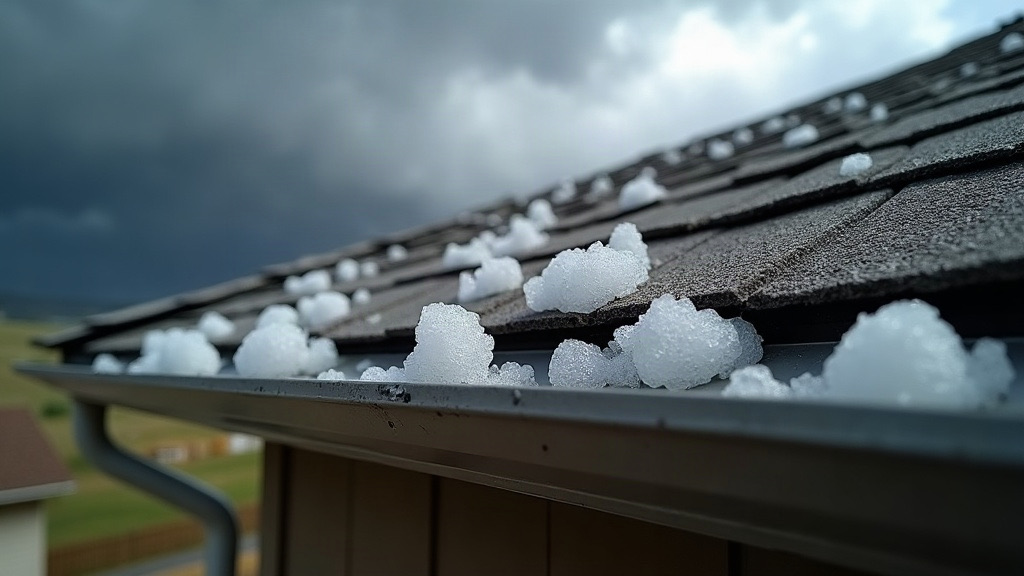
What the Class 4 Upgrade Costs in Denver
Installed prices for a typical Denver home (17–24 squares), tear-off included. Steep or complex roofs run higher.
| Option | Typical installed price | What you get |
|---|---|---|
| Standard architectural shingles | $9,000 – $15,000 | The solid default; no hail rating |
| Class 4 impact-resistant shingles | $10,000 – $17,000 | UL 2218 Class 4 rating; premium discounts common |
| The upgrade increment itself | +10–20% (~$1,000 – $2,500) | Often partially offset by annual insurance discounts |
| Standing-seam metal (for comparison) | $16,000 – $30,000+ | Top hail durability, 40–60 year lifespan — see metal roofing |
What the Class 4 Rating Actually Means
The rating comes from UL 2218, the standard impact test for roofing. A steel ball is dropped from a set height onto the shingle — twice on the same spot — and the shingle passes if it shows no cracking or tearing on the underside. The ball size scales with the class: Class 1 is a 1.25-inch ball, and Class 4, the highest, is a 2-inch ball — chosen to simulate large hail impact energy.
Two honest caveats. First, the test measures impact survival of a new shingle in a lab; it is not a "hail-proof" guarantee, and hail larger than the test size — the Front Range sees baseball-size stones in severe cells — can damage any asphalt product. Second, "impact resistant" in a brochure is marketing language; the thing that matters is the specific product line's published UL 2218 Class 4 classification, which you can check on the manufacturer's spec sheet.
Why Denver Is Where Class 4 Pays Off
The Front Range is one of the most hail-active corridors in the country: the Denver metro takes damaging hail most years in the May–August season, and whole neighborhoods get re-roofed after a single cell. In that environment the upgrade math is different from a mild-climate market — the question is not whether your roof meets serious hail, but when.
Denver's other accelerants stack on top: high-altitude UV ages asphalt years ahead of national schedules, and freeze-thaw cycling works every micro-crack from October through April. A standard roof here is essentially a hail claim waiting for its storm; a Class 4 roof is the version of the same house that often rides the storm out. The insurance-claim side of that equation — documentation, windows, deductible rules — is covered on our hail damage page and storm damage page.
Insurance Discounts in Colorado: What's Real
Many insurers writing policies in Colorado offer premium discounts for Class 4 impact-resistant roofs — the logic is straightforward, since hail is the region's dominant claim driver. But we deliberately don't publish a percentage: the discount varies by carrier, by policy and sometimes by ZIP code, and some insurers attach conditions (the whole roof system rated, documentation at install, discounts applying only at renewal).
The right sequence: call your insurer before the re-roof, not after. Ask what the Class 4 discount is on your specific policy, in writing, and what documentation they need at install (invoice naming the product line, photos, sometimes a form). Then compare the annual discount against the $1,000–$2,500 upgrade increment — on many Denver policies the increment pays itself back in a handful of years, but "many" is not "yours" until you've seen the number. Note also that Colorado SB 38 makes it illegal for a contractor to waive your deductible — a discount earned honestly beats fraud offered at the door.
Class 4 Shingles vs Metal Roofing
Both are hail answers, at different price points. Class 4 shingles keep the asphalt look and price tier: +10–20% over standard shingles, familiar to every crew, HOA-friendly, and the cheapest way to meaningfully upgrade hail survival on a re-roof you're doing anyway. Metal is the durability ceiling — 40–60 year lifespan, snow-shedding, and hail that totals shingles typically dents it cosmetically at worst — at roughly double the upfront cost.
The decision usually reduces to tenure and budget: staying a decade-plus and able to fund it, metal ends the re-roof cycle (details on our metal roofing page); replacing on a normal budget — including most insurance-claim replacements, where only the increment over like-for-like is out of pocket — Class 4 is the pragmatic pick. Full material comparison: roof replacement page.
When the Upgrade Makes Sense — and When It Doesn't
- Replacing anyway. The increment is at its cheapest when tear-off, crew and permit are already paid for — this is the default yes scenario.
- Insurance-claim replacement. The insurer funds like-for-like; you pay only the Class 4 increment out of pocket. In hail alley this is the most common path to a Class 4 roof.
- Staying 5+ years. You capture the annual premium discount and the avoided-claim risk long enough for the math to work.
- Selling soon. The upgrade is harder to recoup at closing — though "Class 4 roof" is a legitimate listing point in this market.
- Roof already Class 4. If your last re-roof used an impact-resistant line, you're done — maintain it and keep the install documentation for your insurer.
Who Installs Class 4 Shingles in Denver
Impact-resistant lines are standard inventory for established Denver roofers — this market is why. Most major shingle manufacturers publish Class 4 product lines, so the question for your bidder is specific: which exact product line is in this quote, and where is its UL 2218 Class 4 classification on the spec sheet? "Impact resistant" without the classification is a slogan.
Every company on our top-picks comparison and companies directory has a verifiable Denver-area presence — ask each bidder the product-line question alongside the usual checks (municipal license, permit pulled, both warranties in writing). If your upgrade follows storm damage, hail-claim specialists like Metro City Roofing run the insurance workflow daily; price context for every scenario is on the cost page.
Frequently Asked Questions
How much more do Class 4 shingles cost than regular shingles?
Typically 10–20% more than standard architectural shingles — roughly $1,000–$2,500 on a typical Denver home, or $10,000–$17,000 installed versus $9,000–$15,000. Ranges compiled from national cost data and published local pricing.
Are Class 4 shingles hail-proof?
No — impact-resistant, not hail-proof. The UL 2218 Class 4 test simulates large hail with a 2-inch steel ball; hail larger than the test size, which severe Front Range cells produce, can still damage any asphalt shingle. The rating materially improves survival odds, not immunity.
How much is the insurance discount for a Class 4 roof in Colorado?
Many insurers offer premium discounts for Class 4 roofs, but the amount varies by carrier and policy — we don't quote invented percentages. Call your insurer before the re-roof and get the figure and documentation requirements in writing, then compare it against the upgrade increment.
Which shingle brands make Class 4 shingles?
Most major manufacturers sell impact-resistant lines tested to UL 2218 Class 4 under their own product names. What matters is the specific line's published classification — verify it on the manufacturer's spec sheet, because "impact resistant" marketing alone is not the rating.
Talk to a Denver Roofing Specialist
Hail damage, an active leak, or a roof that's simply old — one call connects you with Denver roofing help, free and with no obligation. Storm just hit? Read the storm damage checklist first.
24/7 — speak with a local specialist now