 Denver Storm Roofing
 Metal Roofing in Denver, CO
Last updated: September 2026
Price ranges are compiled from national cost data and published local pricing, September 2026 — methodology on the cost page.
Why Metal Makes Specific Sense in Denver
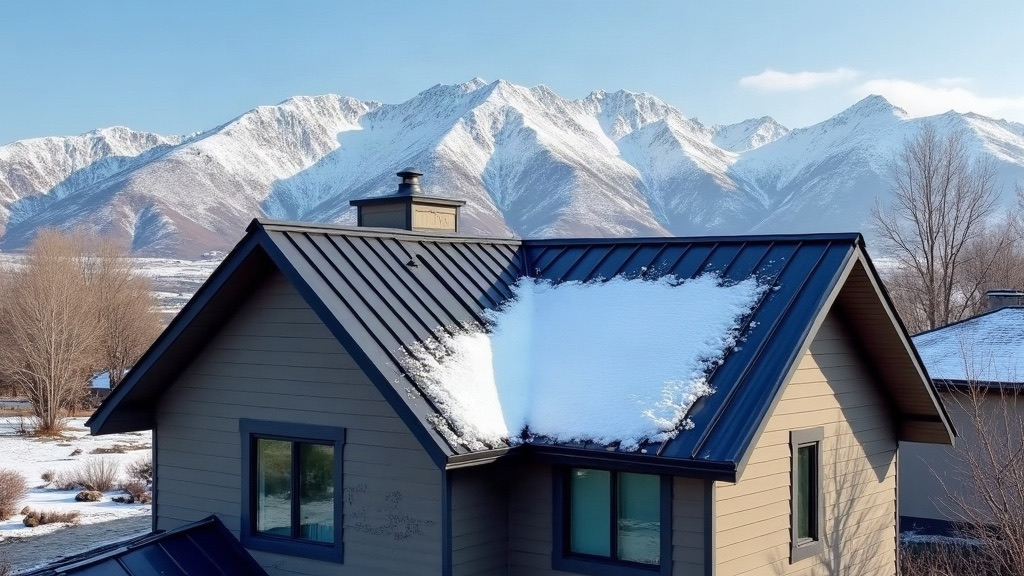
Snow-shedding: metal's slick surface releases snow loads rather than holding them — relevant for Denver's heavy spring storms (March and April deliver the metro's biggest snows) and essential for foothills properties. Snow slides off in sheets, which is why snow guards above entries and walkways are a non-optional line item.
Hail resistance: large hail that fractures shingle mats typically dents metal panels cosmetically at worst. The roof keeps functioning; the claim conversation often disappears entirely. For homeowners planning to stay a decade or more in a corridor that re-roofs whole neighborhoods after single storms, metal converts the roof from a consumable into infrastructure.
Standing Seam vs Stone-Coated Steel vs Corrugated
Standing seam — concealed fasteners, vertical raised seams — is the premium residential standard: cleanest look, best weather performance, $16,000–$30,000+ on a typical Denver home. Stone-coated steel ($18,000–$32,000) wears a shingle or shake profile over steel panels — the answer for HOAs and homeowners who want metal's lifespan without the modern look.
Corrugated and exposed-fastener panels are the budget metal option, common on barns, workshops and some modern residential designs — cheaper upfront, but the exposed fasteners and their gaskets become maintenance items over decades. For a primary residence in this climate, standing seam or stone-coated steel is where the value math works.
The Honest Downsides
Cost is the real one: roughly double asphalt upfront, which only pays back across decades of avoided replacement — metal is a stay-in-the-home decision, not a flip decision. Denting is cosmetic but real on softer panels; if appearance after hail matters, specify heavier-gauge steel. Noise is largely a myth on residential installs — solid decking and modern underlayment make rain on metal barely distinguishable indoors — but cathedral ceilings with exposed structure are the exception worth discussing with your installer.
Also note: metal roofs still need correct underlayment, ice-and-water shield at eaves and valleys (Denver's freeze-thaw doesn't care what the top layer is), and an installer with specific metal experience. Standing seam is a specialty craft — a crew that does shingles six days a week is not your metal crew.
Insurance and the Class 4 Angle
Metal roofing carries top impact ratings by nature, and many insurers that discount Class 4 shingle roofs extend similar treatment to metal — ask before you buy, in writing. The combination worth understanding: a metal roof's higher upfront cost, offset by premium discounts, near-zero storm claims, and a 40–60 year horizon, frequently beats two asphalt replacements across the same period. The asphalt comparison is on our roof replacement page; the numbers by home size on the cost page.
Who Installs Metal Roofing in Denver
Metal is listed among materials at several companies in our comparison — New Roof Plus names metal roofing as a core line, Campbell Beard Roofing lists metal roofs among its materials, and Interstate Roofing covers metal on both residential and commercial work. Profiles and published phone numbers are on the comparison page and companies directory — and whichever installer you bid, ask for addresses of metal roofs they installed five-plus years ago, not last month.
Frequently Asked Questions
How much does a metal roof cost in Denver?
Standing seam typically runs $16,000–$30,000+ installed on an average home ($9–16 per sq ft); stone-coated steel $18,000–$32,000. Roughly double architectural asphalt, for 40–60 years of service. Ranges compiled from national cost data and published local pricing.
Does hail damage metal roofs?
Functionally, rarely — hail that totals a shingle roof typically leaves cosmetic dents on metal at worst. If appearance matters, heavier-gauge panels resist denting better. Many Denver homeowners choose metal precisely to exit the hail-claim cycle.
Is a metal roof loud in rain or hail?
On a standard residential build with solid decking and modern underlayment, no — indoor sound levels are comparable to shingles. The loud-metal-roof reputation comes from open-framed barns and patios without decking.
Does metal roofing handle Denver snow well?
Better than any alternative — it sheds snow loads actively rather than holding them. The management detail is snow guards above entries, walkways and garages, so sliding sheets release where nobody stands.
Can metal roofing be installed over existing shingles?
Sometimes, but in Denver we'd argue against it: tear-off lets the crew inspect decking after years of freeze-thaw and hail, and Denver code limits layers anyway. A metal roof is a 40-year decision — don't build it on unexamined decking.
Talk to a Denver Roofing Specialist
Hail damage, an active leak, or a roof that's simply old — one call connects you with Denver roofing help, free and with no obligation. Storm just hit? Read the storm damage checklist first.
24/7 — speak with a local specialist now