 Denver Storm Roofing
 24/7 Emergency Roof Repair in Denver, CO
Last updated: September 2026
The First 60 Minutes
- Contain the interior water. Buckets under drips, plastic sheeting over furniture and floors, and move valuables out of the wet zone.
- Relieve a bulging ceiling safely. A ceiling sagging with trapped water will collapse — poke a small drain hole with a screwdriver over a bucket, from a stable position.
- Stay off the roof. A wet or storm-damaged roof in the dark is how homeowners get hurt. Tarping is a professional job in emergency conditions.
- Photograph everything — the ceiling, the attic if safely accessible, the roof from the ground, and the storm aftermath. Your claim starts here.
- Call a 24/7 line. Published numbers below. Ask: arrival window and any after-hours premium.
- Call your insurer once the immediate crisis is stable — early reporting protects the claim.
Who Answers 24/7 in Denver
These companies advertise around-the-clock emergency response on their own websites (verified September 2026): New Roof Plus — (303) 974-5218 (explicit "24 HR EMERGENCY SERVICE"); Roper Roofing & Solar — (720) 547-3256 (24/7 emergency service advertised); Cenco Roofing — (720) 903-4175 ("we answer 24/7"); Campbell Beard Roofing — (303) 288-2828 (emergency repair services); Metro City Roofing — (303) 524-1000 (emergency repairs to keep the home safe).
If the first line is jammed — after a metro-wide hailstorm, they all will be — work down the list, and see full profiles on our companies page. Any of them can tarp first and discuss permanent repair later.
What the Emergency Visit Actually Covers
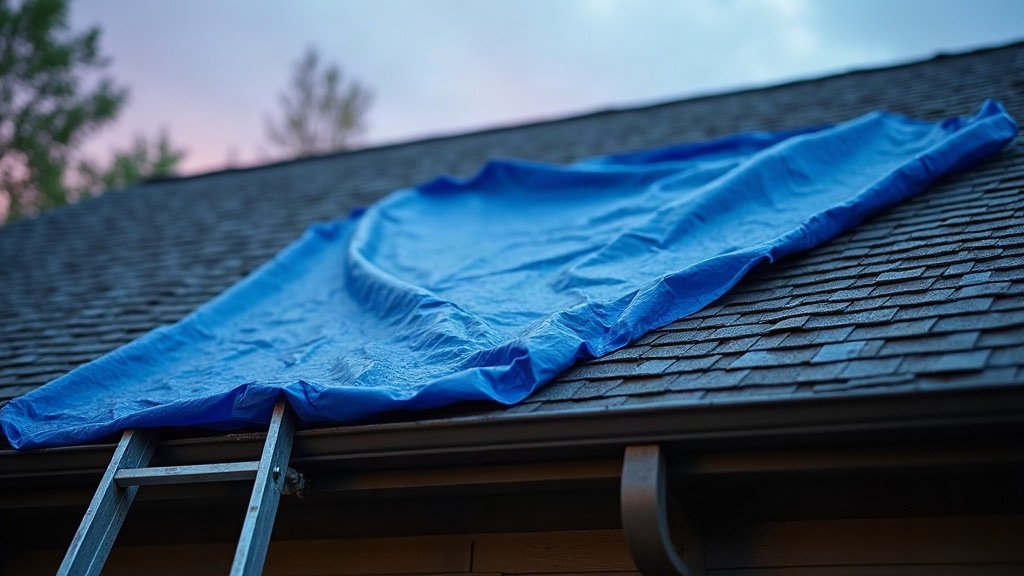
An emergency call is about stopping water, not finishing the repair. The standard scope: locate the entry point, tarp or temporarily seal the damaged area (shrink-wrap systems on larger openings), and document everything with photos for your claim. Permanent repair is scoped in daylight, often after the adjuster visit if a claim is involved.
Expect $300–$800 for tarping depending on access and area — and keep the invoice and photos, because temporary mitigation to prevent further damage is typically a reimbursable part of a storm claim. What an emergency visit should never include: a pressured signature on a full replacement contract. Mitigation now, permanent-work bids later.
Denver's Emergency Scenarios
Hail and wind events (May–August): the signature Denver emergency — a severe cell opens roofs across a neighborhood at once, and every 24/7 line in the metro lights up simultaneously. Spring snow loads (March–April): Denver's heaviest snow arrives in spring; wet, dense accumulation stresses older roofs and finds every weak flashing. Freeze-thaw leaks (October–April): a slow leak refreezes nightly, expanding the entry point until the thaw announces it through a ceiling. Fallen limbs: the metro's mature tree canopy plus wind equals punctured decking.
For the full storm-damage playbook — documentation, claims, storm-chaser defenses — our storm damage roof repair page is the next read once the tarp is on.
After the Tarp: The Next Two Weeks
With the water stopped, the sequence relaxes: written inspection report, claim filed if storm-related, adjuster visit, then bids for the permanent repair or replacement. Use our cost page to sanity-check the numbers, and the comparison page to pick who bids. The emergency compresses your timeline, not your standards — the company that tarped your roof at midnight has earned a bid, not the contract.
Frequently Asked Questions
How much does emergency roof tarping cost in Denver?
Typically $300–$800 depending on the damaged area, roof pitch and access. Keep the invoice and photos — temporary mitigation is usually reimbursable under a storm claim. Ranges compiled from national cost data and published local pricing.
Who do I call for a roof leak at night in Denver?
Companies advertising 24/7 response on their own sites include New Roof Plus (303-974-5218), Roper Roofing & Solar (720-547-3256), Cenco Roofing (720-903-4175) and Campbell Beard Roofing (303-288-2828). Full profiles are on our companies page.
Should I tarp the roof myself?
No — a wet, damaged roof is dangerous even in daylight, and a poorly anchored tarp rips loose in the next wind gust. Interior containment (buckets, plastic, relieving a sagging ceiling) is the homeowner's job; the roof is the crew's.
Does insurance cover emergency roof repair?
Temporary mitigation to prevent further damage — tarping, water extraction — is typically covered as part of a storm claim. Permanent repairs follow the adjuster's assessment. Document everything and report early.
Talk to a Denver Roofing Specialist
Hail damage, an active leak, or a roof that's simply old — one call connects you with Denver roofing help, free and with no obligation. Storm just hit? Read the storm damage checklist first.
24/7 — speak with a local specialist now